
Kwamankse Traditional Council Calls for Fair Representation in Local Government
Credit: Agyei Kwaku Mensah

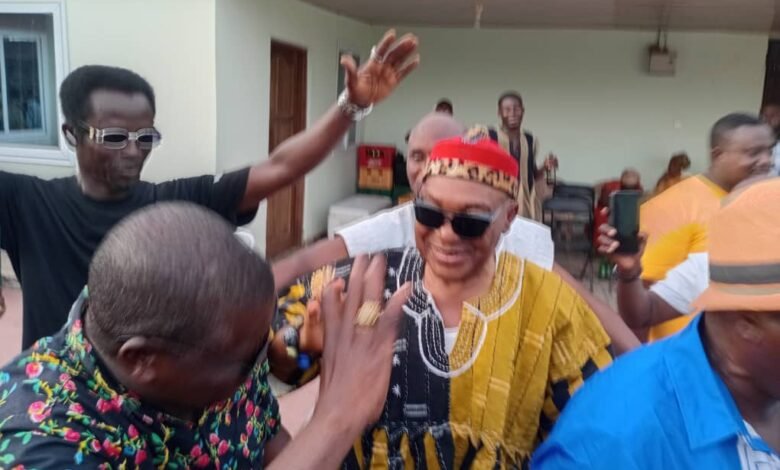
The Omanhene of the Kwamankse Traditional Council, Okakaen Idun Andoh X, has made a passionate appeal to the Electoral Commission (EC) to intensify public education and publicity during voter ID registration exercises to ensure fair representation at the local government level.
According to the Omanhene, improved awareness and timely information will enable traditional leaders to mobilise their people—especially those living outside the community—to return home and register, thereby increasing the area’s voter population and strengthening its chances of adequate representation.
The call was made at the last council meeting of the year 2025, held at Ayeldu.
Speaking on behalf of the Omanhene in an interview with Agyei Kwaku Mensah, the Nifahene of Kwamankse, Nana Amua Bekoe Annan XI, expressed concern that chiefs, as custodians of the land, are often not properly informed ahead of voter registration exercises. He noted that this lack of communication limits their ability to organise their people effectively.
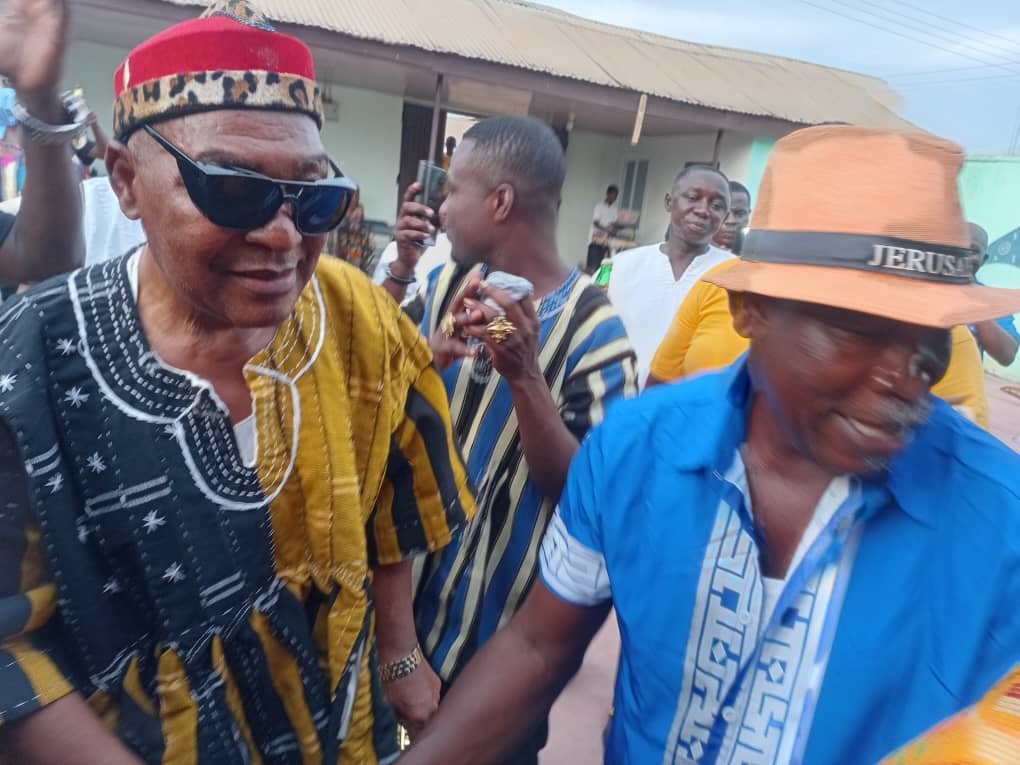
He explained that increased voter registration would help the Kwamankse Traditional Area secure stronger representation in the district assembly.
Nana Amua Bekoe Annan XI further stated that chiefs in Kwamankse are sometimes dissatisfied with their level of representation, noting that other traditional areas such as Abura and Asebu often claim numerical superiority and consequently receive a larger share of representation and development benefits.
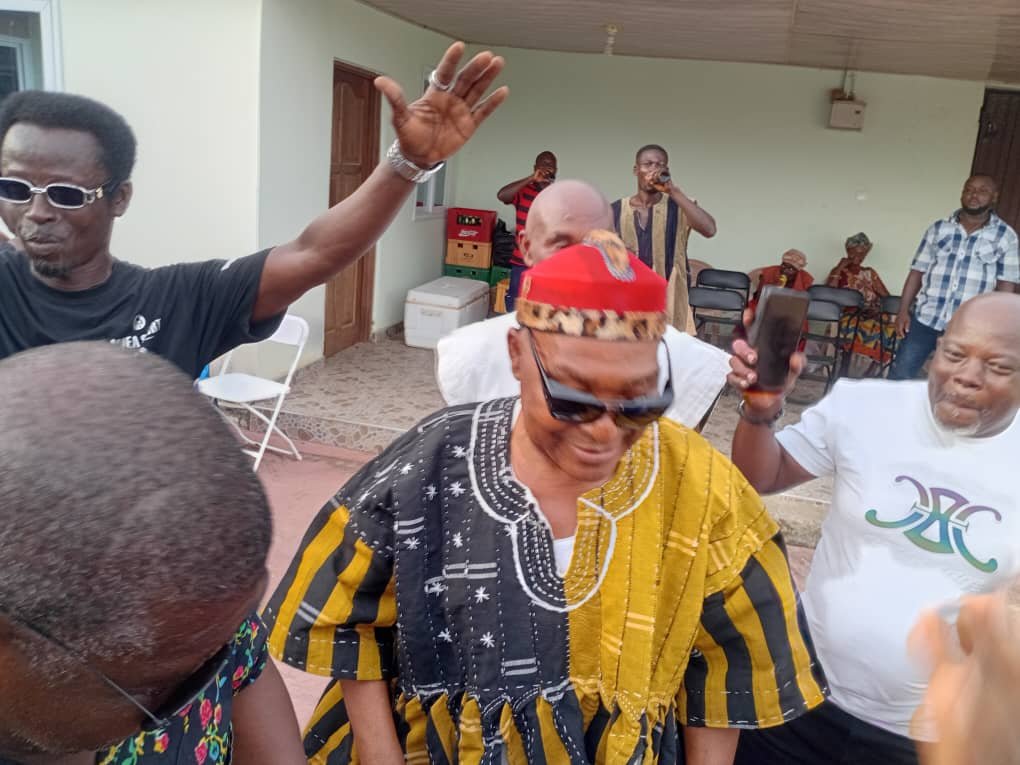
Adding his voice, the Twifohene of Kwamankse, Nana Eduan Damtse X, pointed out that the three paramountcies that make up the district are not fairly represented. He revealed that Kwamankse currently has only three assembly members out of a total of thirty, a situation he described as unjust.
He therefore urged the people of Kwamankse to actively participate in assembly and local governance processes to help improve representation and ensure that the area’s interests are adequately protected.
On his part, the Area Council Chairman of Ayeldu, Hon. William Akompong, called on traditional leaders to consistently follow up on issues raised at the district assembly. He explained that while assembly members present community concerns to the assembly, the presence and active support of chiefs—nananom—during assembly engagements sends a strong signal of unity and commitment.
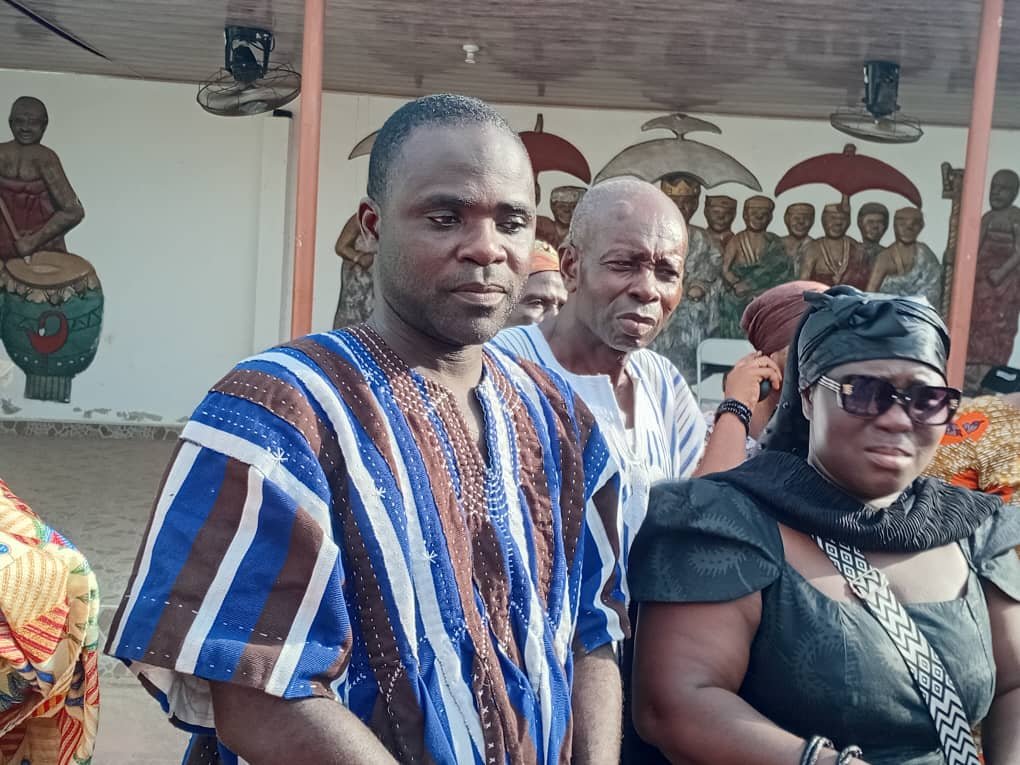
According to him, when traditional authorities engage directly with the assembly, particularly the District Chief Executive (DCE), it reinforces the authority and legitimacy of their assembly members and strengthens advocacy for development in the area.
The meeting concluded with a renewed call for collaboration between traditional authorities, the Electoral Commission and local government structures to ensure equitable representation and inclusive development across the district.