

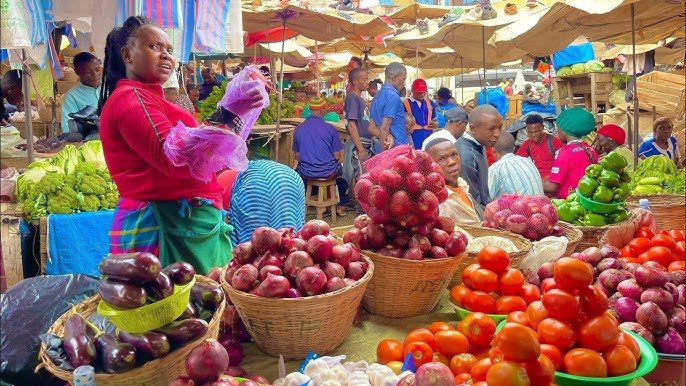
Food prices and utility costs were the biggest drivers of Ghana’s annual inflation in 2025, accounting for a combined 66.3 percent of the overall price increases recorded during the year.
The Ghana Statistical Service announced the figures at the launch of its 2025 Annual Inflation Report.
The data shows that food and non-alcoholic beverages alone contributed 52.3 percent to total inflation, making it the single largest driver of rising prices. Housing, water, electricity, gas and other fuels followed as the second major contributor, accounting for about 13.8 percent.
Together, the two divisions of food and housing/utilities highlighted how essential goods and services continue to exert the most pressure on the cost of living for households.
The report further indicates that inflation in 2025 was largely driven by domestic supply-side factors rather than external or imported pressures.
Local items accounted for about 74 percent of total inflation, reinforcing the argument that internal production and distribution challenges played a significant role.
In addition, goods contributed nearly 79 percent of total inflation, far outweighing services, which made up a much smaller share.
This suggests that price increases were concentrated in everyday consumables rather than service-based sectors.
The GSS emphasised that inflationary pressures were largely coming from basic necessities, with food leading the trend, followed by housing and utilities.
It adds that the dominance of local factors in driving inflation underscores the need for targeted policy interventions aimed at improving food supply chains, stabilising utility costs and boosting domestic production.
The findings are expected to guide policymakers as they design measures to ease cost-of-living pressures and sustain price stability in the coming months.