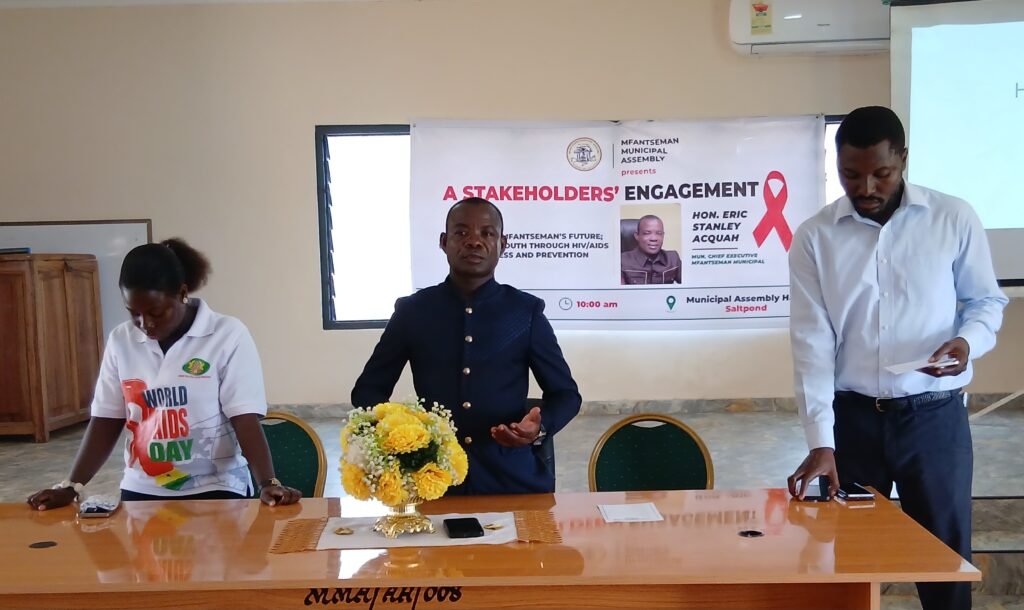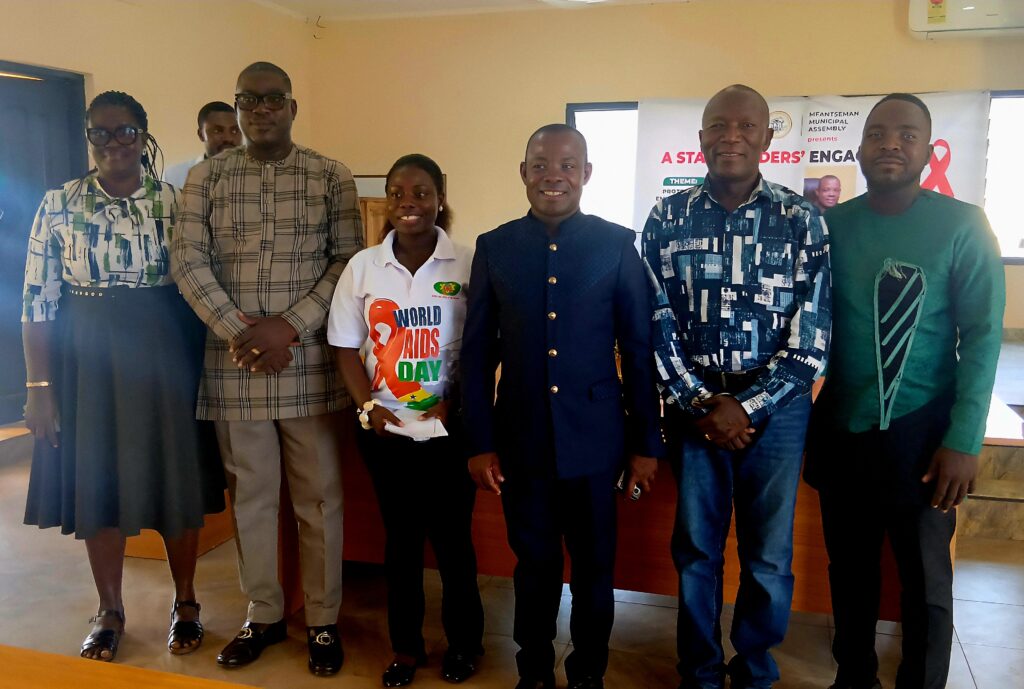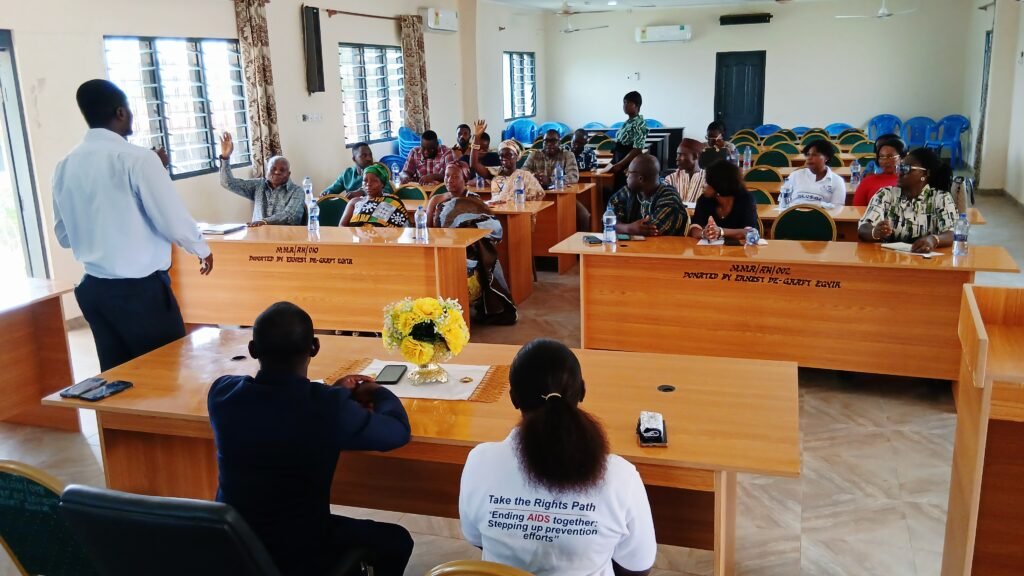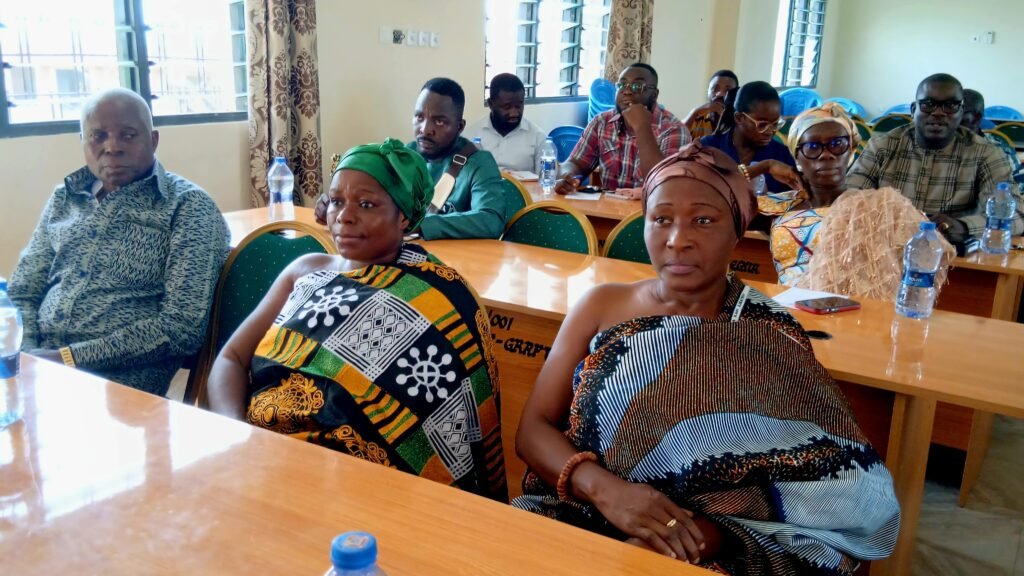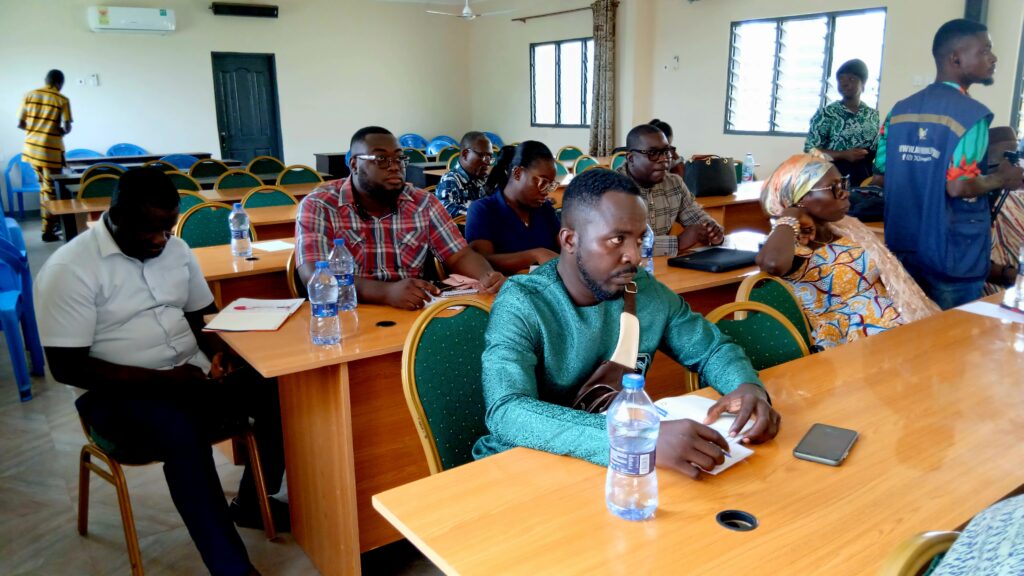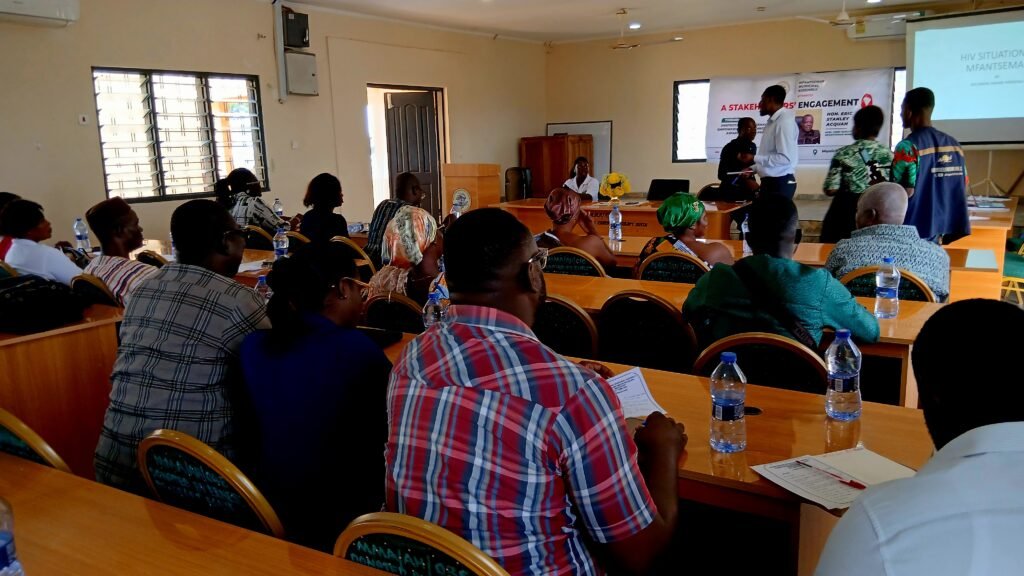

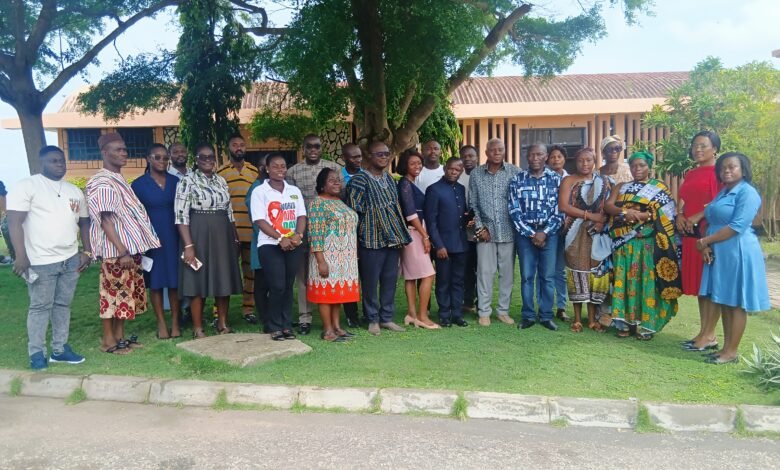
The Mfantseman Municipal Assembly has convened a high-level stakeholders’ engagement to address the growing concern over the rising number of HIV/AIDS cases within the municipality.
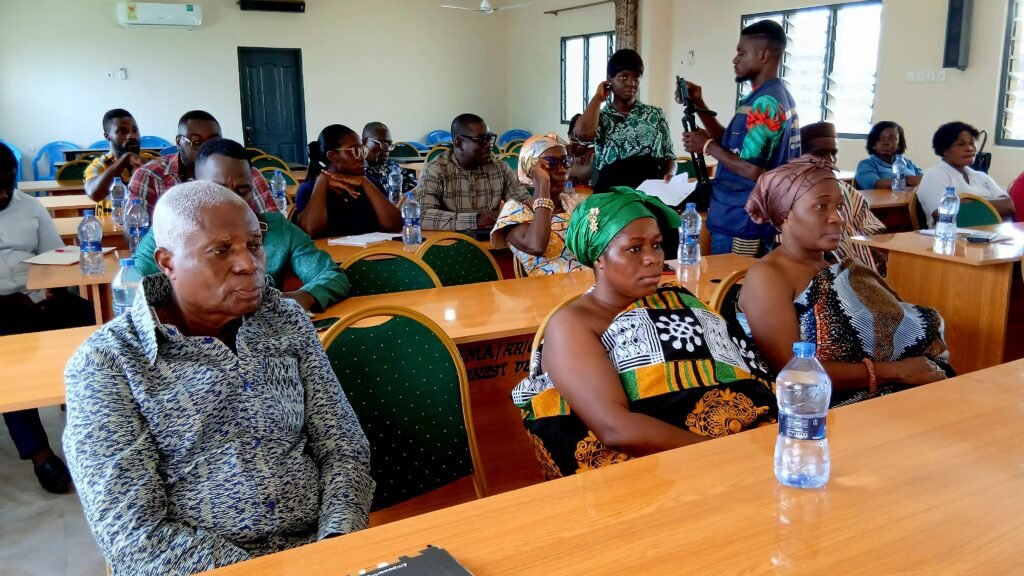
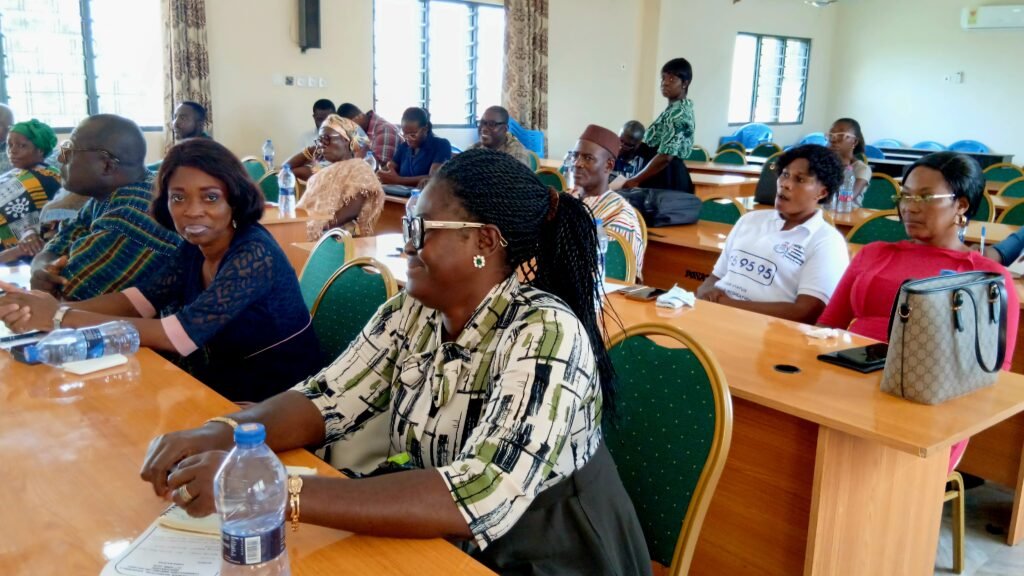
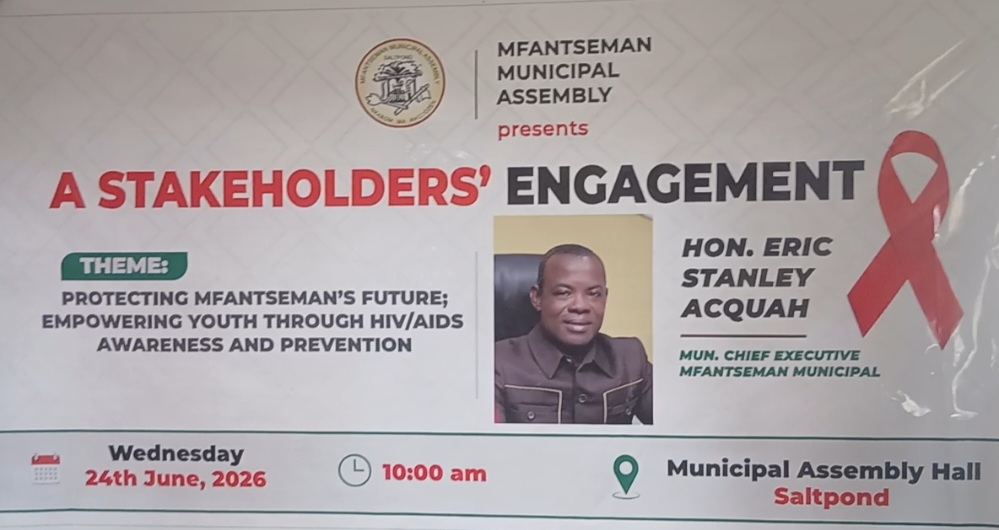
The consultative meeting, held under the theme “Protecting Mfantseman’s Future: Empowering Youth Through HIV/AIDS Awareness and Prevention,” brought together health professionals, traditional leaders, religious bodies, educational institutions, civil society organisations, the media and other key stakeholders to deliberate on strategies aimed at curbing the spread of the disease.
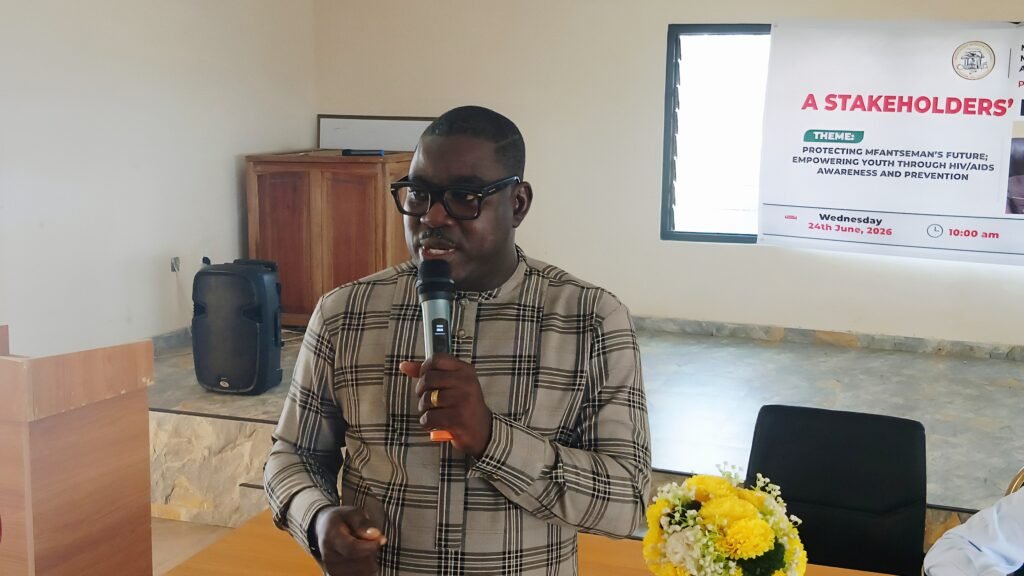
Addressing participants, the Municipal Chief Executive (MCE) for Mfantseman, Hon. Eric Stanley Acquah, expressed deep concern over the current HIV/AIDS situation in the municipality, describing it as a public health challenge that requires urgent and collective action.
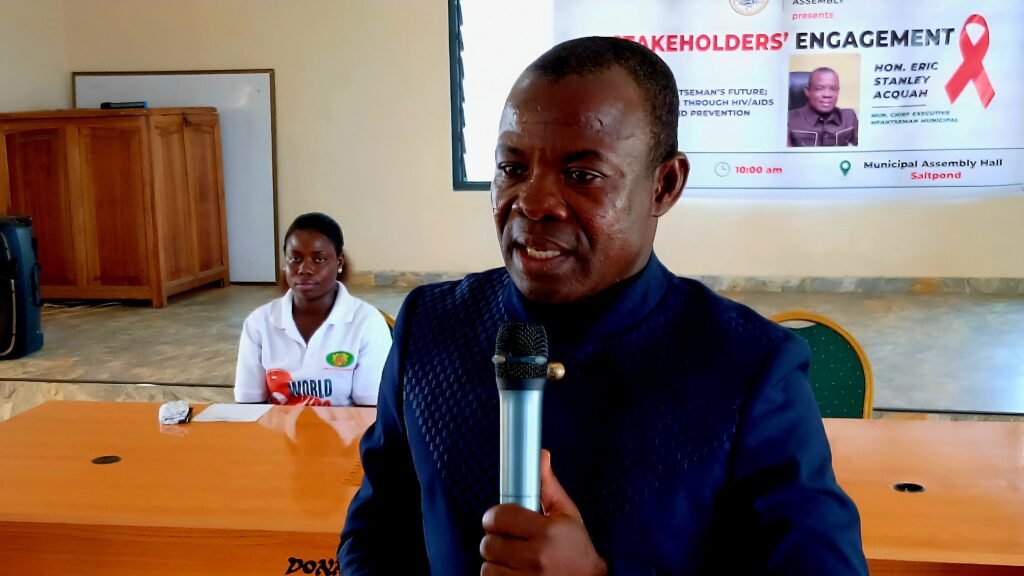
According to the MCE, the increasing number of infections poses a significant threat to the socio-economic development of the area, particularly among the youth, who represent the future workforce and leadership of the municipality.
He therefore called on all stakeholders to intensify public education, support prevention initiatives, and collaborate with health authorities to reduce new infections and ensure that affected persons receive the necessary care and support.
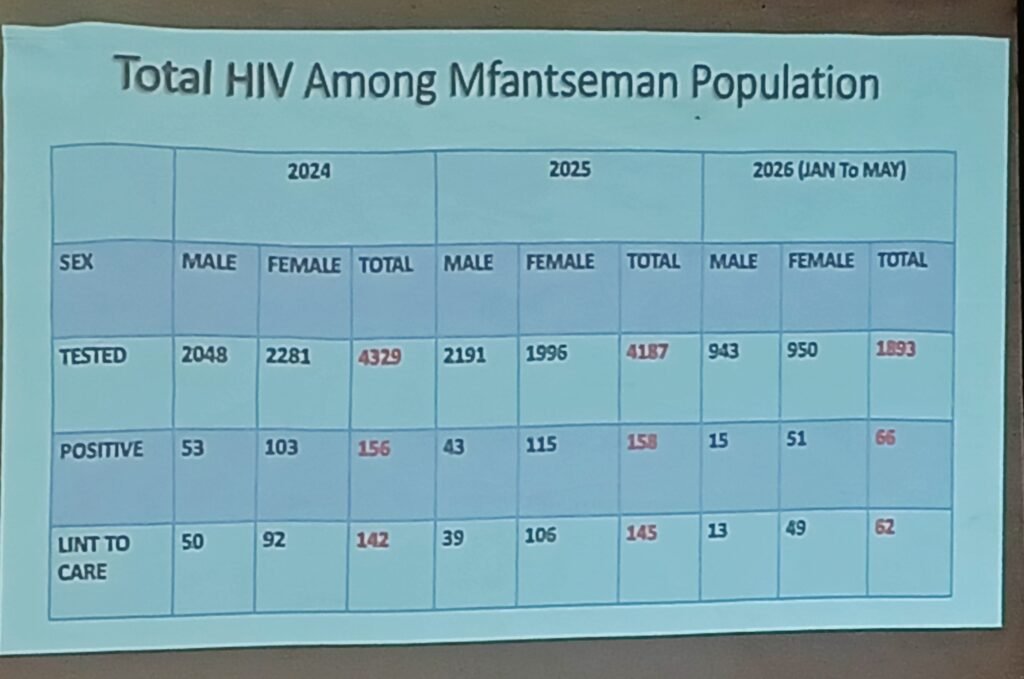
Presenting an overview of the municipality’s HIV/AIDS status, the Municipal Disease Control Officer, Mr. Solomon Oware Mengyah, disclosed that the situation remains alarming and demands immediate intervention.
He disclosed that out of 1,893 individuals tested for HIV between January and May 2026, 66 were confirmed positive. Out of this number, 62 patients were successfully linked to care and treatment services, while four individuals could not be traced after their diagnosis, raising concerns about continued transmission and delayed treatment.
Mr. Mengyah highlighted several factors that continue to hinder efforts to link HIV-positive persons to healthcare services.
Among the challenges identified were socio-economic difficulties, including poverty, unstable housing conditions, food insecurity, and unemployment, which often force individuals to prioritize survival needs over healthcare.
He also cited cultural and religious beliefs, noting that misconceptions about HIV/AIDS and reliance on alternative remedies sometimes discourage individuals from seeking medical treatment promptly.
Additionally, he pointed to age-specific barriers, particularly among adolescents and young adults, who may struggle with confidentiality concerns, dependence on caregivers, and fear of stigma or discrimination from peers and society.
Another major challenge, according to the Disease Control Officer, is poor follow-up after diagnosis, where inadequate patient tracking systems, limited counseling services, and insufficient support mechanisms contribute to delays in enrolling newly diagnosed persons into treatment programmes.
Mr. Mengyah stressed that the fight against HIV/AIDS cannot be left to the health sector alone. He urged institutions, businesses, community leaders, and development partners to consider HIV prevention and awareness as part of their social responsibility and actively support initiatives aimed at reducing infections.
He further emphasized the need for intensified public education, increased testing, early treatment, and the elimination of stigma associated with the disease.
Nana Abena Agyeiwaa II, the Focal Person for HIV/AIDS at the Mfantseman Municipal Assembly, revealed that young people constitute a significant proportion of HIV/AIDS cases recorded in the municipality. She noted that the Assembly has therefore intensified efforts to educate and raise awareness among the youth through sensitisation programmes in all seven Senior High Schools and across the four paramountcies within the municipality.
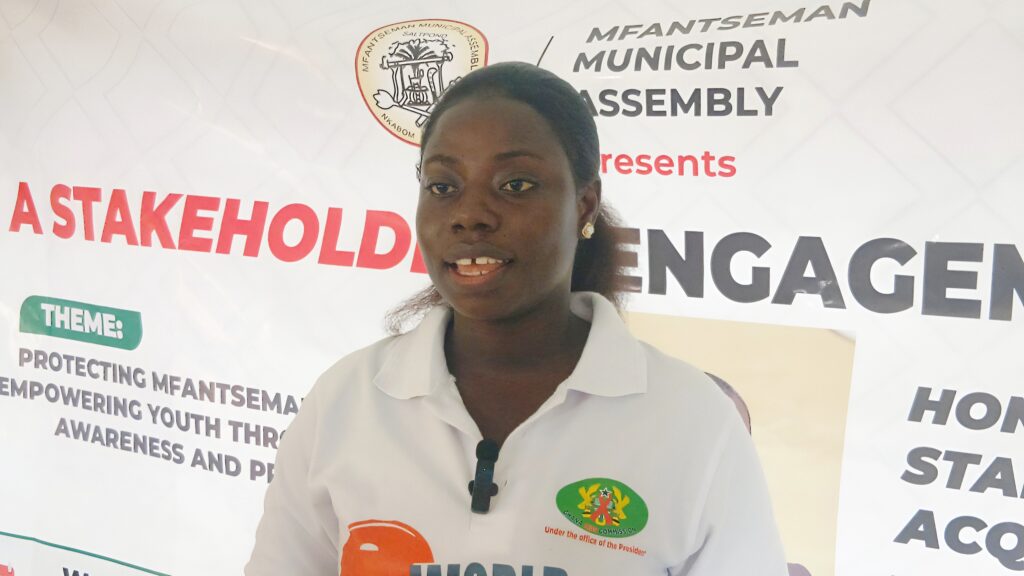
She further stressed that while family planning methods are important for reproductive health, they do not provide complete protection against HIV/AIDS. According to her, abstinence remains the most effective way to prevent HIV infection, while the consistent and correct use of condoms is one of the best methods of reducing the risk of transmission among sexually active individuals.
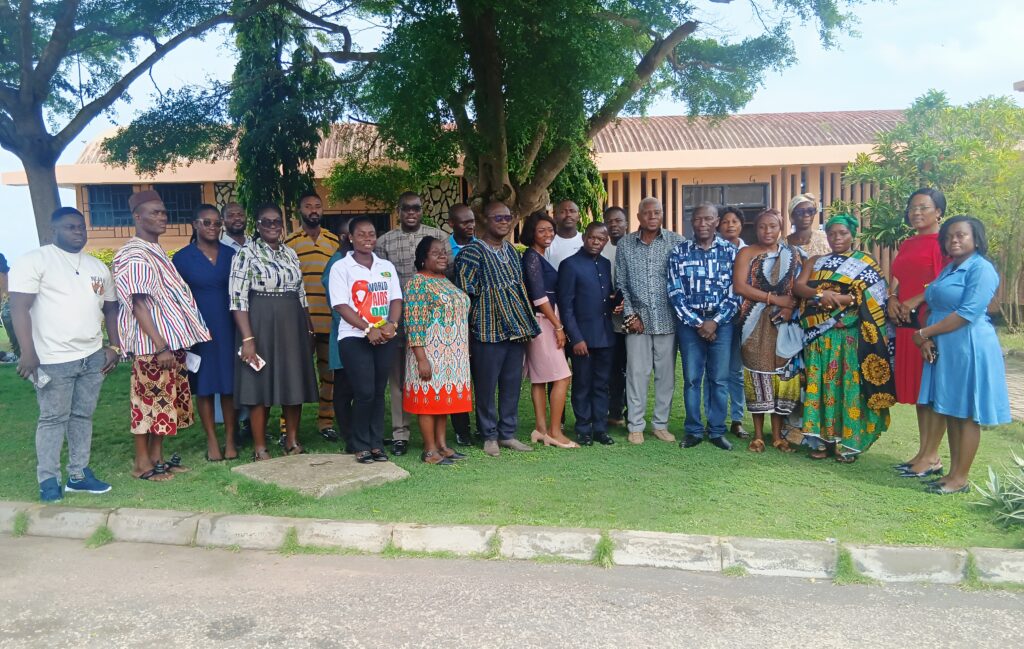
The stakeholders’ engagement forms part of broader efforts by the Mfantseman Municipal Assembly and the Ghana Health Service to strengthen awareness, improve access to healthcare services, and protect future generations from the impact of HIV/AIDS.
Participants pledged their commitment to supporting community-based interventions and advocacy campaigns aimed at reversing the worrying trend and safeguarding the health and well-being of residents across the municipality.