Ablakwa Hails UN Slavery Resolution as Step Toward Global Reparations

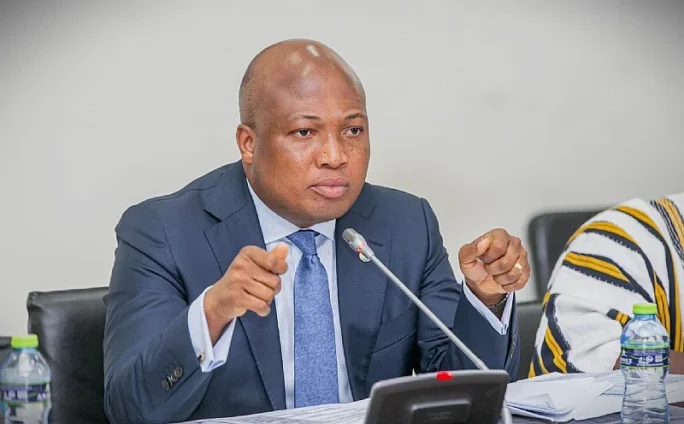
Minister for Foreign Affairs, Samuel Okudzeto Ablakwa, has said the newly adopted United Nations resolution on the transatlantic slave trade has created a pathway for sustained global engagement on reparatory justice.
Speaking in the United States after the United Nations approved Ghana’s resolution on Wednesday, March 25, Mr Ablakwa stressed that the decision goes beyond symbolic recognition and signals the beginning of deeper international dialogue.
“The resolution also opens the door for continued global engagement on reparatory justice, not as a narrow or transactional concept, but as a broader framework for healing, restoration, and partnership,” he said.
He urged member states to take concrete steps within their jurisdictions, emphasising the need for inclusive and good-faith discussions on how to address historical injustices.
“We therefore urge every member state to consider carefully the actions it must take to ensure inclusive and good faith dialogue on reparatory justice,” he stated.
Mr Ablakwa noted that the passage of the resolution marks only a step in a longer journey, insisting that remembrance alone is not sufficient without structural change.
“The work of justice does not end with remembrance. The racialised systems that have shaped our world must give way to systems that recognise our shared humanity,” he said.
He further called for a fair and equitable global order that serves the interests of all people, regardless of race or origin.
Reflecting on the significance of the moment, the minister said that while history cannot be altered, the way it is remembered can shape the future.
“We cannot change history, but we can change how we remember it, and in doing so, we can change what we carry forward,” he said.
He added that the global community has made a deliberate choice to pursue justice and equity, urging that this commitment guide future actions.
“Today, the world has chosen to remember with purpose, justice, and equity. Let that purpose guide us toward a future that is more just, more inclusive, and more profoundly human,” he added.