

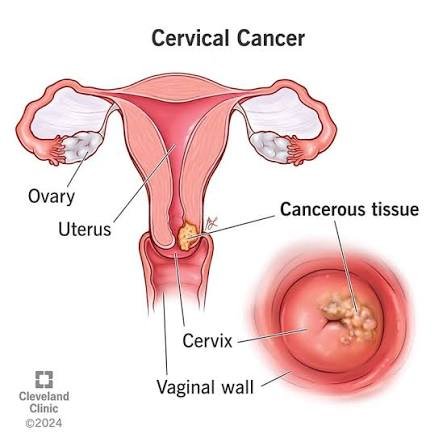
Cervical cancer remains one of the leading causes of cancer-related deaths among women worldwide, and Ghana is no exception. Despite being largely preventable, many women continue to lose their lives due to late detection and limited awareness.
What Is Cervical Cancer?
Cervical cancer occurs in the cervix — the lower part of the uterus that connects to the vagina. It develops slowly over time, often beginning as pre-cancerous changes that can be detected early through regular screening.
The Major Cause: HPV Infection
The primary cause of cervical cancer is persistent infection with the Human Papillomavirus (HPV), a common sexually transmitted infection. While many HPV infections clear on their own, certain high-risk strains can lead to cancer if left untreated.
Why Ghanaian Women Are at Risk
In Ghana, low screening coverage, limited access to health facilities in rural areas, and inadequate public education contribute significantly to late diagnosis. Many women only seek medical attention when the disease has reached an advanced stage.
Risk factors include:
- Early sexual activity
- Multiple sexual partners
- Weak immune system (including HIV infection)
- Smoking
- Long-term use of oral contraceptives
- Failure to undergo routine screening
Symptoms Often Appear Late
One of the biggest dangers of cervical cancer is that it may not show symptoms in its early stages. When symptoms do appear, they may include:
- Abnormal vaginal bleeding (between periods, after intercourse, or after menopause)
- Unusual vaginal discharge
- Pelvic pain
- Pain during sexual intercourse
Health experts warn that any persistent abnormal bleeding should be reported to a medical professional immediately.
Prevention is Possible
The good news is that cervical cancer is preventable. Preventive measures include:
HPV Vaccination: The HPV vaccine protects against the strains of the virus most likely to cause cervical cancer. It is most effective when administered to girls between the ages of 9 and 14, before exposure to the virus.
Regular Screening: Screening methods such as Pap smear tests, HPV DNA tests, and Visual Inspection with Acetic Acid (VIA) can detect pre-cancerous changes early.
Safe Sexual Practices: Reducing the number of sexual partners and using protection can lower the risk of HPV infection.
Early Detection Saves Lives
When detected early, cervical cancer is highly treatable. Treatment options may include surgery, radiotherapy, and chemotherapy, depending on the stage of the disease.
Health professionals are urging women to prioritise regular screening, even if they feel healthy. Early detection significantly increases survival rates and reduces the cost and complexity of treatment.
A Call to Action
Public health advocates are calling for increased government support, expanded vaccination programs, and intensified nationwide education campaigns to reduce cervical cancer cases in Ghana.
Cervical cancer does not have to be a death sentence. With awareness, vaccination, and regular screening, thousands of lives can be saved.