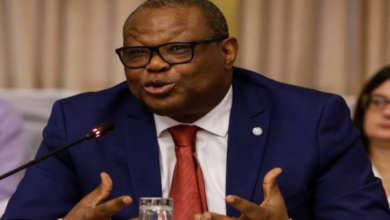

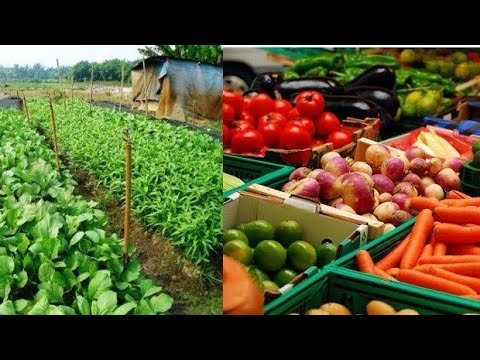
Renowned economist Kwame Pianim has warned that Ghana is harvesting only half of its potential agricultural output, cautioning that without urgent investment in irrigation, fertilisers, and scientific expertise, the country risks worsening food insecurity and economic stagnation.
Speaking on JoyNews’ The Pulse on Ghana’s 69th Independence Day, Pianim highlighted the “stark underperformance” of the nation’s farmlands across both northern and southern regions.
“We are getting 50% of the average yield in the world,” he said. “If we improve the yields — which means you add water, fertiliser, get our scientists and engineers going into agriculture — we have enough capital in Ghana to be able to move forward.”
Pianim drew particular attention to the cocoa sector, which has suffered severe setbacks due to illegal mining, known locally as galamsey.
He warned that the continued destruction of farmlands and pollution of rivers such as the Pra, Ankobra, Offin, and Birim threaten Ghana’s standing in global cocoa markets.
The economist’s warning comes amid declining cocoa prices and government interventions.
On February 12, 2026, Finance Minister Dr Cassiel Ato Forson announced a nearly 29% reduction in the farmgate price of cocoa, cutting it from GH¢3,625 to GH¢2,587 per 64-kilogram bag, following a collapse in global cocoa prices.
Environmental damage from galamsey has also overwhelmed water treatment plants and encroached on forest reserves, further compounding the crisis.
Pianim has repeatedly called for decisive government action, including a temporary freeze on non-industrial gold mining, stating that how the Mahama administration addresses galamsey would be a litmus test for its second term.
Beyond cocoa, Pianim stressed that Ghana’s rice, sorghum, yam, and cassava production remains below potential.
He argued that mobilising modern technology, skilled personnel, and targeted investments could transform agriculture into a primary driver of economic growth, food security, and industrialisation.
“If we harness our resources effectively, Ghana can turn agriculture into a powerful engine for national development,” he added, urging immediate government and private-sector collaboration.