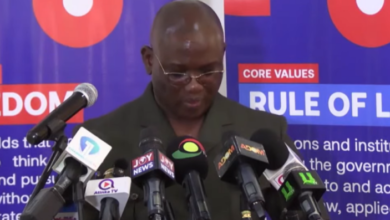

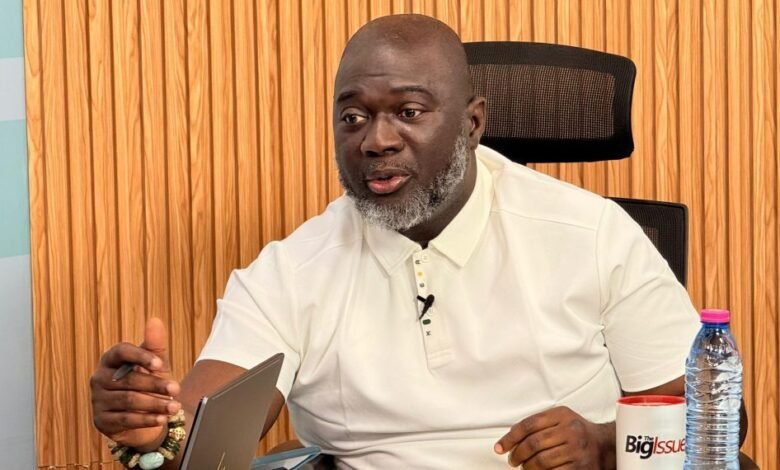
Executive Director of COPEC, Duncan Amoah
The Executive Secretary of the Chamber of Petroleum Consumers (COPEC), Duncan Amoah, has warned that rising tensions in the Middle East could wipe out the gains Ghana’s energy sector has recorded over the past 15 months.
According to him, recent geopolitical developments threaten to reverse the consistent reductions in fuel prices recorded since early 2025.
Speaking on The Big Issue on Channel One TV on Saturday, March 14, 2026, Mr Amoah said a single global event could undo the progress made in stabilising fuel prices.
“This single event is going to wipe out the gains we have chalked up over the past 15 months. If you recall from January 2025 till now, month by month, we announced reductions in fuel prices. One event simply is going to erode all of them,” he said.
Mr Amoah stressed that the situation highlights the need for Ghana to strengthen its energy infrastructure to cushion the country against external shocks.
“This is where some of the things we have spoken about must be taken seriously. You cannot simply be a price taker. You cannot continue to be a watcher of geopolitical events without planning for your own,” he said.
He noted that proper planning would involve strengthening key state energy institutions, including the Bulk Oil Storage and Transportation Company Limited(BOST), and reviving the country’s refinery to contribute significantly to national fuel consumption.
“Planning for your people means fixing BOST. Planning for your people means fixing your refinery to contribute significantly to national daily consumption. You also have to plan for your gas processor to serve as a buffer,” he added.
Mr Amoah further explained that Ghana’s heavy reliance on imports exposes the country to global price shocks, particularly when Bulk Distribution Companies procure fuel from the international market.
He argued that if institutions such as the Bulk Oil Storage and Transportation Company Limited and the Tema Oil Refinery were functioning effectively, Ghana would be better positioned to absorb supply disruptions.
“If we had fixed BOST and our refinery was working, we would not be here glorifying 15 weeks of fuel stock,” he added.
The COPEC Executive Secretary, called for urgent investment and reforms in the country’s energy infrastructure to reduce Ghana’s vulnerability to global market fluctuations.