
The Ministry of Gender, Children and Social Protection has deployed monitoring teams across Ghana’s 16 regions to assess the disbursement of cash grants under the Livelihood Empowerment Against Poverty (LEAP) programme and address challenges affecting beneficiaries.
The exercise is intended to strengthen transparency and accountability in the payment process while ensuring that eligible households receive their grants smoothly and without unnecessary difficulties.
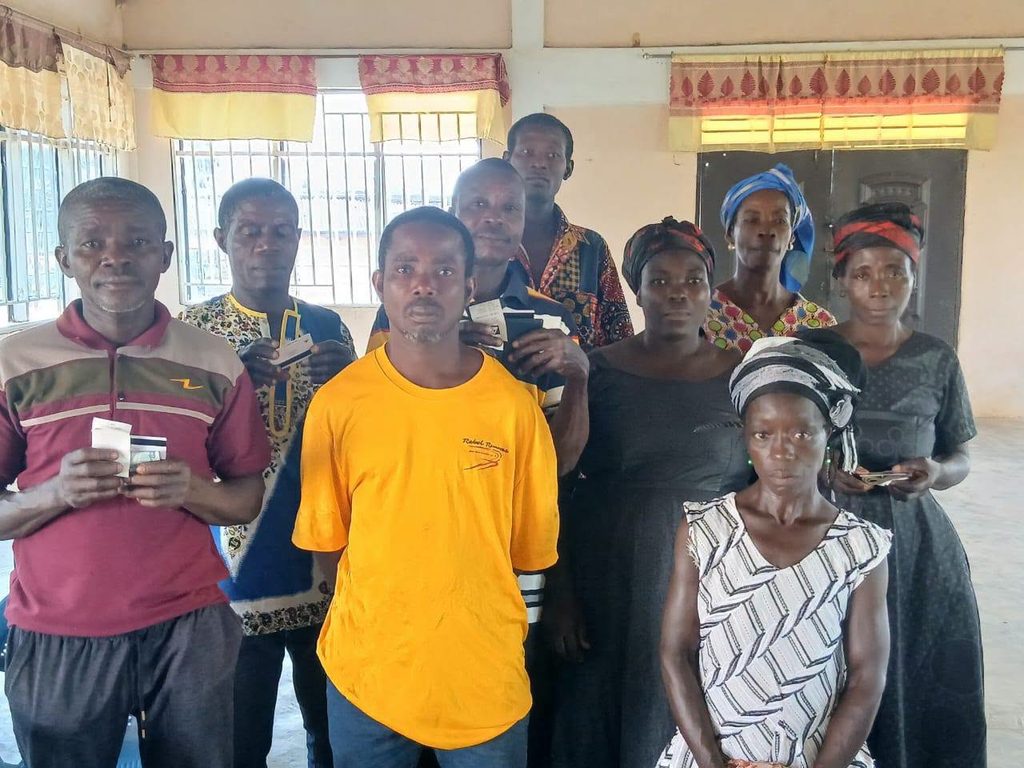
Before beginning fieldwork, officers attended a preparatory meeting where they were briefed on a revised monitoring questionnaire and procedures for handling beneficiaries’ concerns and managing cases requiring further attention.
The training covered key areas, including payment systems, beneficiary records, data quality, payment instruments and grievance handling.
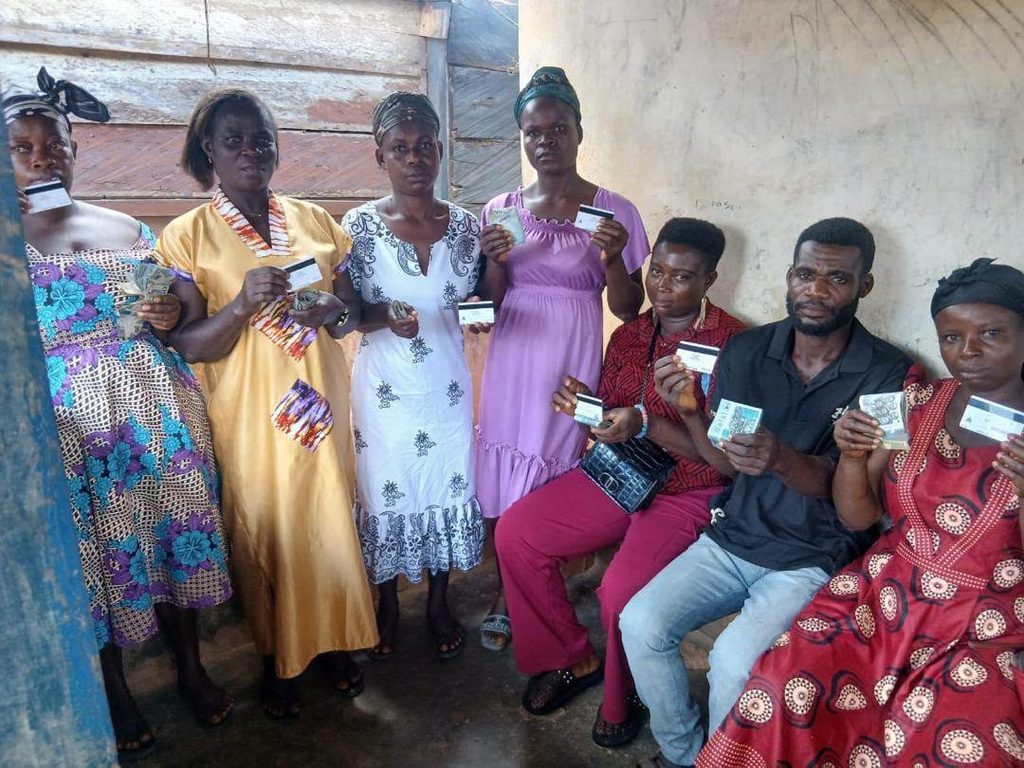
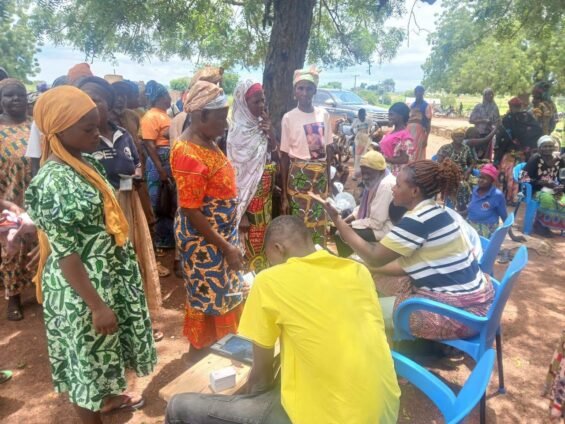
During the exercise, the teams visited selected communities to observe payment procedures, engage beneficiaries and assess how effectively the grants were being distributed.
They also documented challenges encountered during payments and referred cases requiring further action to the appropriate LEAP and Social Welfare structures.
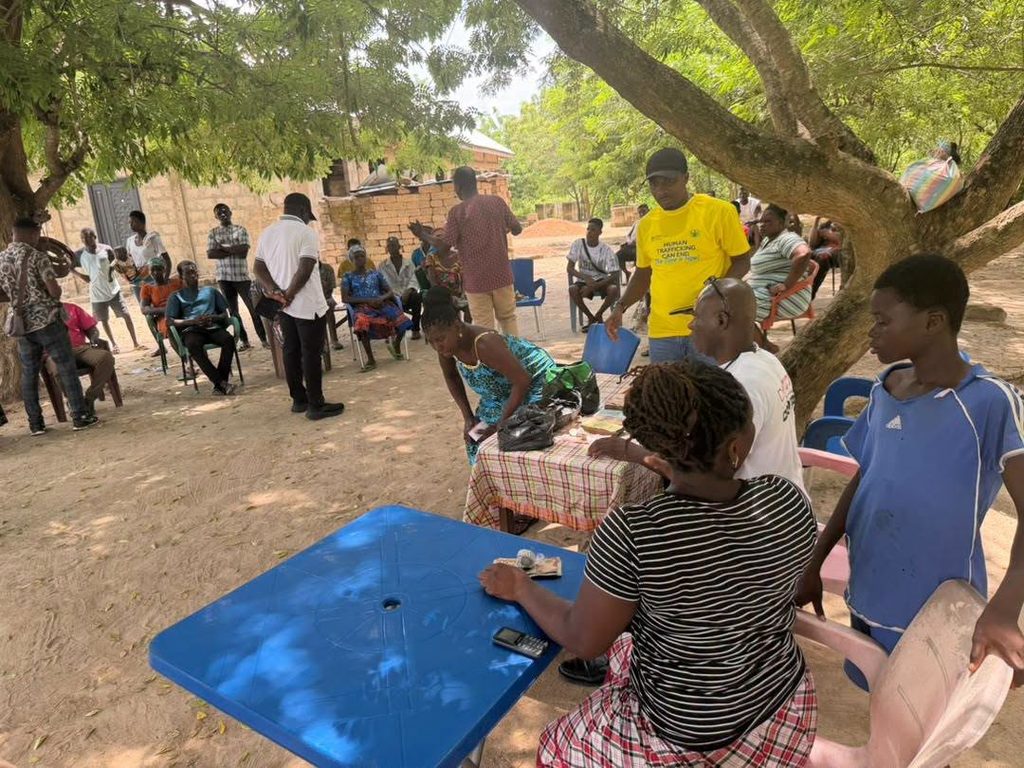
As part of the monitoring exercise, officers engaged beneficiaries on the importance of using the grants to meet essential household needs, including food, healthcare and children’s education.
LEAP is a key component of Ghana’s social protection system, providing cash assistance to extremely poor and vulnerable households, including those with older persons without support, persons with severe disabilities and orphaned and vulnerable children.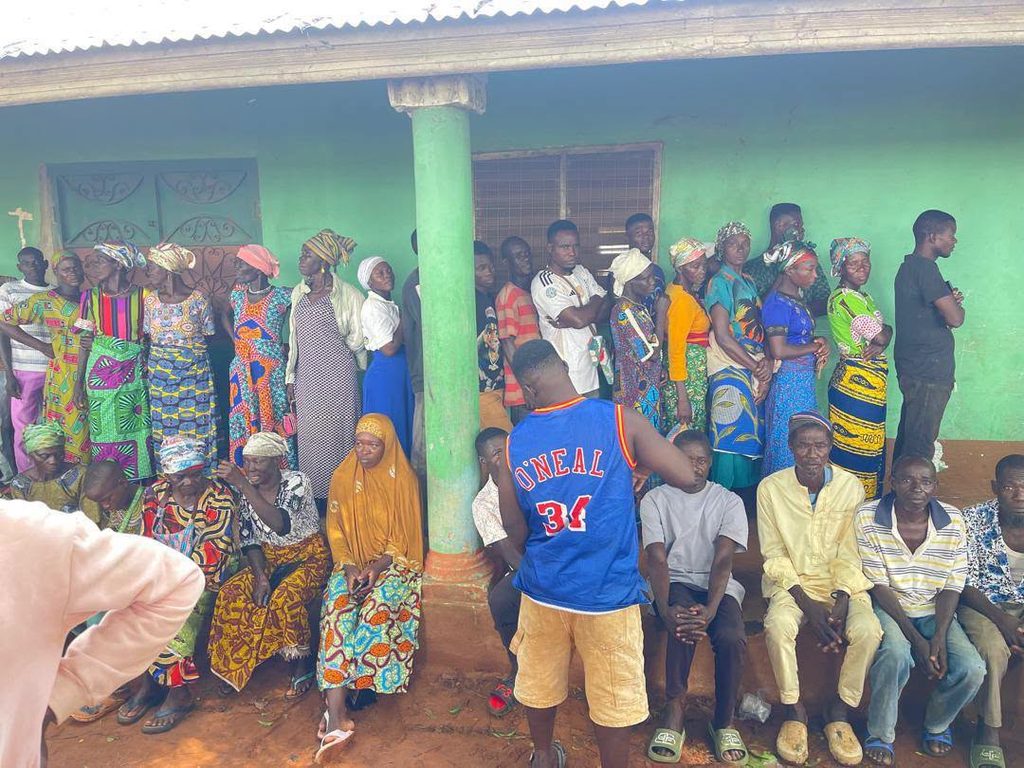
The programme is designed to help beneficiary households meet basic needs and improve their well-being.
The Ministry says the ongoing exercise will help identify gaps in grant delivery, improve service efficiency and strengthen accountability across the programme.
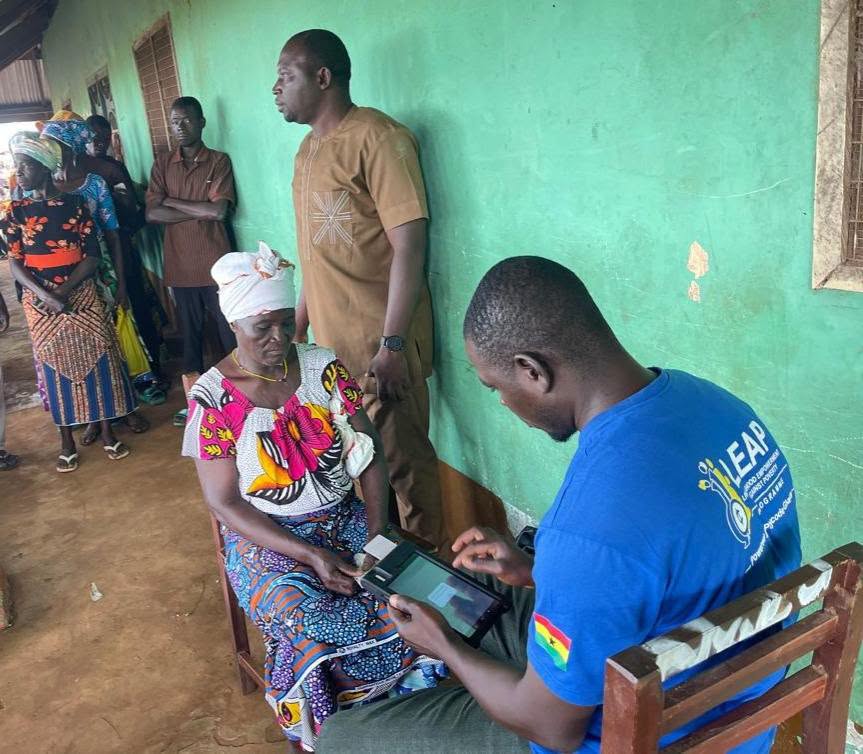
Monitoring activities are continuing across the country to ensure that eligible households receive the support intended for them.