Ghana’s Economy Has Turned Around Under Mahama and Ato Forson in Two Years – Ricketts-Hagan
Credit: myjoyonline

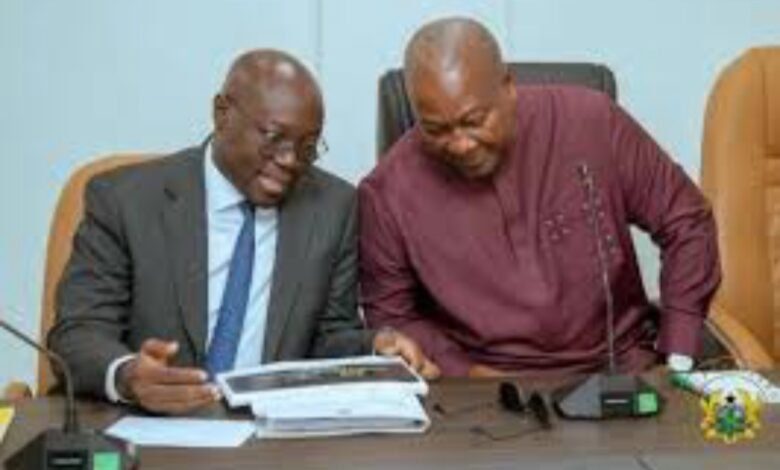
Deputy Majority Leader and Member of Parliament for Cape Coast, George Kweku Ricketts-Hagan, has credited President John Dramani Mahama and Finance Minister Dr Cassiel Ato Forson with turning Ghana’s economy around within two years of assuming office.
He attributed the economic improvements to what he described as fiscal discipline, prudent public spending and a shift towards expenditure-based fiscal consolidation.
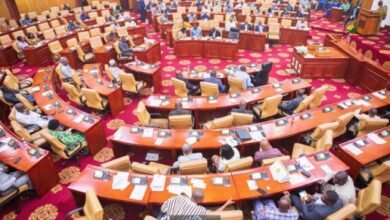
Contributing to the debate on the 2027 Budget Statement in Parliament on Wednesday, November 18, Mr Ricketts-Hagan said the government had made significant progress in stabilising the economy despite the challenging economic conditions it inherited.
“His Excellency John Dramani Mahama and Dr Ato Forson have turned Ghana’s economy around in two years. We still have about seven years to spare from what they told us,” he said.
He argued that key macroeconomic and fiscal indicators, including inflation and interest rates, had improved under the current administration.
Mr Ricketts-Hagan also challenged figures on Ghana’s public debt presented by former Finance Minister Dr Mohammed Amin Adam, insisting that the country’s debt-to-GDP ratio had declined to 47.5 per cent.
According to him, Ghana’s public debt stood at approximately $53 billion in 2024, representing nearly 70 per cent of GDP, compared with the current debt stock of about $59.3 billion.
He maintained that applying the prevailing exchange rate to the current debt figure resulted in a debt-to-GDP ratio of 47.5 per cent.
The Cape Coast MP also defended the Bank of Ghana against criticisms over losses associated with financing gold purchases, arguing that the profitability of the Gold Board’s operations should be considered alongside the central bank’s financial position.
He further accused the previous administration of excessive borrowing and pursuing a revenue-based consolidation approach, which he said placed greater emphasis on raising revenue while continuing to borrow to finance government expenditure.
Mr Ricketts-Hagan explained that the Mahama administration had adopted an expenditure-based consolidation strategy, which seeks to align government spending with available revenue and reduce reliance on borrowing.
“Instead of doing an expenditure-based consolidation, they were doing a revenue-based. They were more interested in borrowing money to fund expenditure,” he said.
He added that the current government’s approach was focused on ensuring that public expenditure was backed by available revenue while directing resources towards priority sectors of the economy.
“The discipline that we have instilled in this country, the expenditure that we are making sure that we have the revenue to fund, is what has brought us here,” he said.