Government Moves to Address Kayayie Crisis with Comprehensive National Management Framework
Credit: myjoyonline

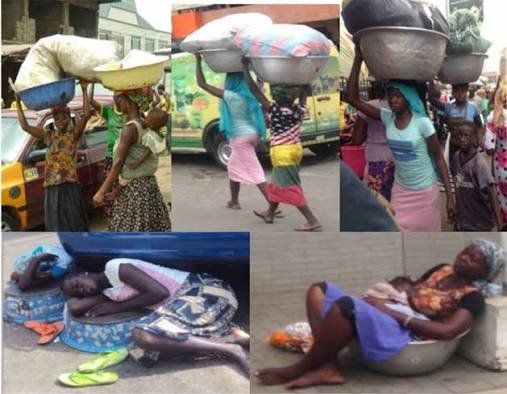
The government is developing a National Kayayie Management Framework aimed at addressing unsafe migration, protecting vulnerable girls and women, and strengthening coordination among institutions implementing interventions to support head porters, popularly known as Kayayei.
The proposed framework is expected to provide a structured and comprehensive national response to the persistent challenge of head porterage, which affects tens of thousands of girls and young women across the country.
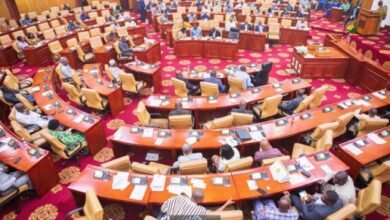
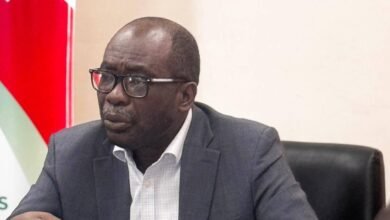
The Minister for Gender, Children and Social Protection, Dr Agnes Naa Momo Lartey, announced this at the First National Stakeholders Consultative Meeting on the development of the framework, held in Accra.
She noted that although government, civil society organisations and development partners had introduced various interventions, including temporary shelters, skills training, rehabilitation programmes and public education, many of these initiatives had been fragmented and lacked effective coordination.
The meeting was organised by the Ministry in collaboration with the Office of the Vice-President, with support from the United Nations Population Fund (UNFPA).
Recent estimates indicate that between 60,000 and 100,000 girls and young women, some as young as 10 years, are engaged in head porterage in urban centres across Ghana, with more than 80 per cent originating from the northern parts of the country.
Dr Lartey described the migration of young girls from northern Ghana to urban centres such as Accra, Kumasi, Takoradi and Tamale to engage in head porterage as a matter of serious national concern.
“While the movement of people in search of economic opportunities is not unusual, the circumstances surrounding the migration of many Kayayie raise significant concerns,” she said.
She emphasised the urgent need for a sustainable national strategy that addresses the root causes of the phenomenon rather than relying on short-term interventions.
“Therefore, there is an urgent need to move beyond short-term and reactive interventions towards a comprehensive national response,” she stressed.
Dr Lartey explained that the Ministry, in collaboration with the Office of the Vice-President and with support from UNFPA, was facilitating the development of the framework to provide strategic direction for tackling the challenge.
The framework is expected to focus on preventing unsafe migration, protecting vulnerable girls and women, facilitating rehabilitation and reintegration, and promoting sustainable livelihood opportunities.
It will also establish clear institutional responsibilities, coordination arrangements and accountability mechanisms to ensure effective implementation.
Meanwhile, the UNFPA Country Representative, Dr Wilfred Ochan, said the Kayayie phenomenon reflected deeper structural inequalities and should not be viewed merely as an issue of urban migration or informal employment.
He explained that although migration had become a survival strategy for many girls facing limited economic opportunities, it frequently exposed them to exploitation, sexual and gender-based violence, poor living and working conditions, and various health risks.
According to him, rural poverty, educational exclusion and harmful gender norms remained major drivers of the phenomenon, while climate variability and agricultural shocks continued to place additional pressure on vulnerable households.
For her part, the Social Policy Advisor at the Office of the Vice-President, Dr Miriam Rahinatu Iddrisu, stressed that the proposed framework must be government-owned, evidence-based and informed by the lived experiences and concerns of Kayayei.
She called for effective institutional coordination, sustained partnerships and accountable leadership to ensure the successful implementation of the framework.
The development of the National Kayayie Management Framework is expected to provide a coordinated national approach to addressing the underlying causes of head porterage while safeguarding the rights, dignity and livelihoods of vulnerable girls and women.