

For the second month, Ghana’s headline inflation ticked upward, reaching 3.7% in May 2026, up from 3.4% in April. A review of the market basket shows that food prices are driving this increase.
Food Takes the Lead
In April, fuel and utility costs pushed inflation up while food prices provided relief. May saw a different dynamic. Food inflation accelerated to 3.3% year-on-year, a jump from 2.2% in April.
Food prices surged by 2.0% in a month. Meanwhile, non-food inflation dropped to 4.1% from 4.2% the month prior.
Drivers of the Increase
According to data from the Ghana Statistical Service, outliers and supply chain issues for staples contribute to this. The food items that drove inflation in May 2026 include:
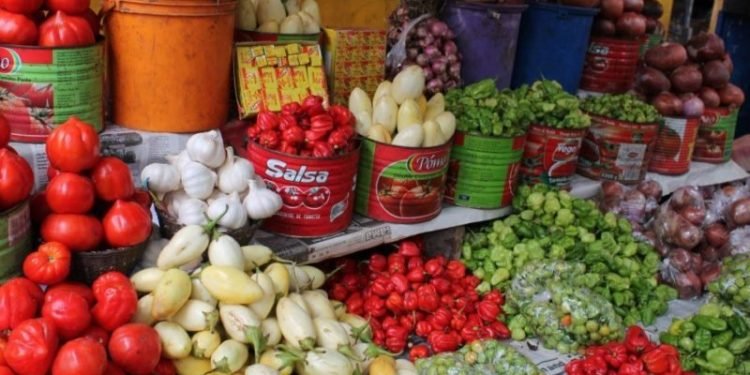
• Tomatoes: Fresh tomatoes experienced a 38.8% month-on-month price spike, bringing their year-on-year inflation rate to 35.8%.
• Ginger: The year-on-year inflation rate for ginger accelerated from 68.4% in April to 78.0% in May.
• Fruits and Staples: Mangoes saw a 61.9% year-on-year price increase. Green plantains reached 47.6% year-on-year inflation, up from 37.0% in April.
• Seafood and Proteins: Shrimps were at 47.2% year-on-year inflation, while dried fish (koobi/momoni) recorded a rate of 40.1%.
• Cashew and Coconuts: Contributors included cashews at 40.0% and coconuts at 37.2%.
Reasons for the Food Price Increases
The data and recent economic trends point to structural and supply-chain issues as the primary reasons for these increases:
• Local Supply and Transport Costs: The Ghana Statistical Service indicates that differences in local supply, transport costs, and market access are driving the price increases and creating regional disparities. For instance, the North East Region recorded an inflation rate of 10.1%, while the Savannah Region saw a deflation of -3.0%.
• Cross-Border Trade Disruptions: The massive 38.8% month-on-month price spike for fresh tomatoes in May is an escalation of the supply chain bottlenecks and cross-border trade disruptions that were already identified as the main culprits when tomato prices first began to surge in April.
• Structural Agricultural Challenges: Items such as ginger and green plantains continue to be impacted by structural challenges in the agricultural sector. These challenges include high post-harvest losses due to inadequate storage facilities, limited rural infrastructure, and a lack of mechanization for smallholder farmers.
Conclusion
The data for May 2026 shows that a national inflation average of 3.7% does not reflect the cost of all items. If meals depend on tomatoes, plantains, dried fish, and ginger, the cost of living is higher than the national numbers suggest.
Price swings in food items highlight that macroeconomic stability relies on addressing bottlenecks such as agricultural storage, transport costs, and cross-border trade disruptions to stabilise the market.