“Free Us From Police Searches” — Rastafarian Advocates Push for Marijuana Legalization in Ghana to Drive Economic Growth
Source: NewsAfricaGhana


A growing chorus of cannabis advocates in Ghana’s Central Region is calling for urgent policy reform, as members of a Rastafarian group intensify demands an end to arrests, searches, and what they describe as persistent harassment by security agencies. The appeal, led by Central Regional Rastafarian leaders, positions cannabis reform as both a human rights issue and a potential economic driver.
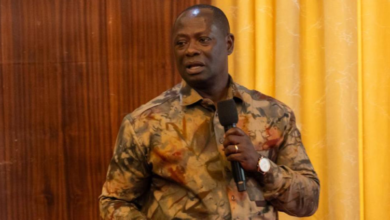
Speaking during celebrations marking World Marijuana Day in the Mankessim–Baifikrom area, regional leader Jah Addy Bongo stressed that users and cultivators of marijuana should not be criminalized. He argued that the substance, if properly regulated, could contribute meaningfully to Ghana’s economy through agriculture, trade, and job creation.
“We are not enemies of the economy,” he said, urging authorities to reconsider current enforcement practices. According to him, many Rastafarians face frequent police stops and searches while traveling, creating what he described as undue stress and discrimination based on lifestyle and beliefs.

Push for Legal Reform and Economic Opportunities
The group is calling on President John Dramani Mahama and policymakers to take a clear stance on cannabis legalization. Advocates believe a regulated marijuana industry could open up employment opportunities for young people, particularly in farming and value-chain businesses, if supported with the right policies and incentives.

They also want individuals currently in custody for marijuana-related offenses to be reviewed and potentially released, arguing that existing laws are outdated and punitive rather than developmental.
Concerns Over Drug Abuse and Public Perception
While advocating legalization, the group cautioned against the misuse of substances. Organizer Jah Emma warned against the growing trend of mixing marijuana with harmful chemicals, which he says contributes to mental health issues and social problems.

He urged young people to avoid dangerous drugs such as tramadol and cocaine, emphasizing that public education is needed to distinguish between regulated cannabis use and harmful substance abuse.
The group also challenged long-standing perceptions linking marijuana use to mental illness, insisting that such views are often exaggerated or based on misinformation.
Call for Tolerance and Freedom of Expression
Beyond economic arguments, Rastafarian advocates are framing the issue as one of civil liberties. They are demanding greater tolerance for their beliefs and practices, including freedom from arbitrary arrests tied to marijuana use.
Their message is clear: Ghana must shift toward a more modern, evidence-based approach to cannabis policy—one that balances regulation, economic opportunity, and respect for individual rights.
As debate around marijuana legalization continues globally, pressure is mounting on Ghanaian authorities to clarify their stance and consider reforms that align with evolving international trends.