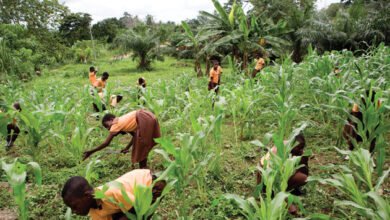

Cocoa farmers across Ghana have been urged to eliminate all forms of child labour from their farming activities to protect the country’s cocoa industry from possible rejection on the international market and maintain access to lucrative global export destinations.
The call comes amid growing scrutiny by international buyers and regulators, particularly in the European Union (EU) and North America, where stricter due diligence requirements are being enforced to ensure imported cocoa is produced without child labour or forced labour.
The Council of the European Union adopted the EU Forced Labour Regulation on November 19, 2024. The regulation, which was published in the EU’s Official Journal on December 12, 2024, prohibits products made with forced labour from entering the EU market and is expected to be fully enforced from December 14, 2027.
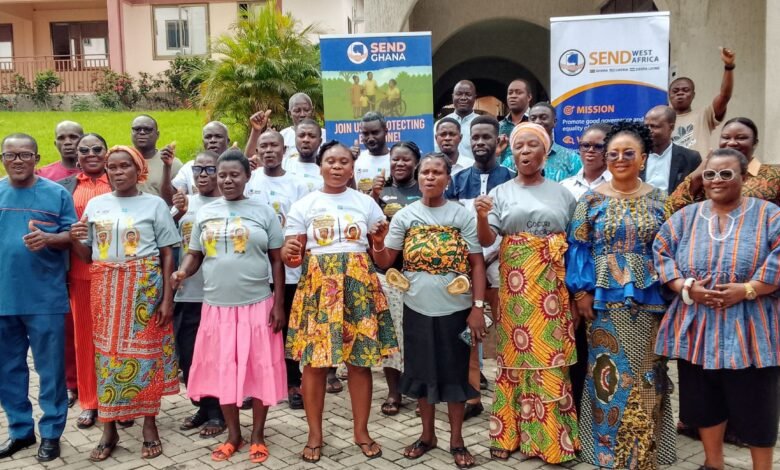
Speaking at a national dialogue on child labour in Cape Coast, Mary-Anne Kamara, Gender and Youth Development Officer at SEND Ghana, stressed that Ghana’s reputation as one of the world’s leading cocoa producers depends not only on the quality of its cocoa beans but also on ethical and sustainable production practices.
The dialogue, organised by SEND Ghana, brought together cocoa farmers, traditional and political leaders, officials from the Commission on Human Rights and Administrative Justice (CHRAJ), representatives from the education sector, gender and social protection experts, civil society organisations, and members of the media to discuss practical measures for eliminating child labour in cocoa-growing communities.
Ms. Kamara urged cocoa farmers to prioritise children’s education, comply with Ghana’s labour and child protection laws, and adopt sustainable farming practices that safeguard the welfare and rights of children.
She further encouraged farmers to report cases of child exploitation and collaborate with government agencies, COCOBOD, development partners, and other stakeholders to promote responsible and ethical cocoa production.
According to her, failure to eliminate child labour could undermine Ghana’s competitiveness in the global cocoa market and threaten the livelihoods of thousands of cocoa farmers who depend on exports.
Also addressing the forum, the Central Regional Director for Gender and Social Protection, Ms. Richlove Amonoo, warned that parents or guardians who expose children to hazardous labour could face severe legal consequences under Ghana’s laws.
She explained that offenders may be liable to a prison term of up to five years, a fine of one thousand Ghana cedis, or both, if found guilty by a competent court.
Ms. Amonoo reminded participants that ignorance of the law is not a defence and urged farmers, parents, and guardians to familiarise themselves with child protection legislation to avoid sanctions.
Several cocoa farmers who attended the dialogue described the training as timely and insightful. They pledged to share the knowledge with fellow farmers in their communities and support efforts to eliminate child labour, ensuring that children remain in school and have the opportunity to realise their full potential.
The dialogue forms part of ongoing efforts by SEND Ghana and its partners to promote child rights, strengthen ethical cocoa production, and position Ghana’s cocoa industry to meet evolving international trade standards.