
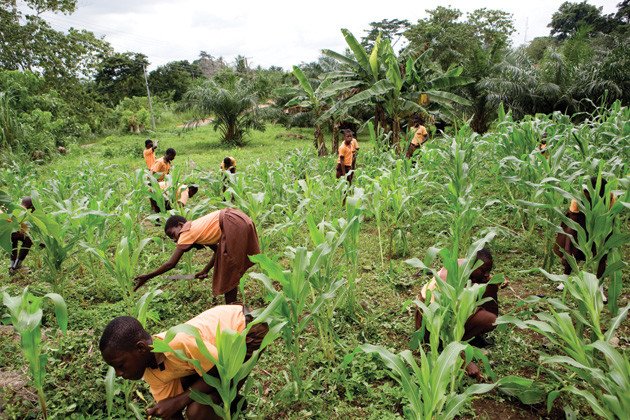
Teachers across Ghana have been warned against sending students out of school during or after instructional hours to engage in farming, domestic chores, or other non-academic activities, as such practices constitute child labour and violate both children’s rights and the professional code of conduct governing teachers.
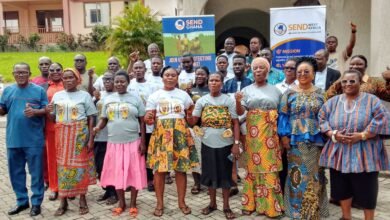
The caution was issued by the Central Regional Director for Gender and Social Protection, Ms. Richlove Amonoo, during the Central Regional Dialogue on Child Labour held in Cape Coast. The forum, organised by SEND Ghana, brought together key stakeholders to discuss strategies for protecting children from exploitation and ensuring they have uninterrupted access to quality education.
Addressing participants, Ms. Amonoo stressed that assigning pupils to work on farms, fetch water, run errands, or perform household duties during school hours deprives them of valuable learning opportunities and exposes them to potential physical and emotional harm.
She explained that such practices are contrary to Ghana’s child protection laws and may attract legal sanctions, including fines, imprisonment, or both. She therefore urged teachers to exercise caution and strictly adhere to their professional responsibilities.
“Schools are expected to provide a safe and conducive environment for teaching and learning,” she said, adding that teachers have a duty to uphold the highest standards of child protection and safeguard the welfare of every learner.
Ms. Amonoo clarified that while children may assist with light household chores appropriate to their age outside school hours, requiring them to undertake work that interferes with their education or exposes them to hazardous conditions amounts to child labour.
She encouraged teachers to familiarise themselves with Ghana’s child protection laws and education policies, stressing that no child should be used as a source of labour under the guise of discipline, punishment, or assistance.
The Gender and Social Protection Director further appealed to parents, school authorities, traditional leaders, and community members to work collectively to eliminate child labour by promoting regular school attendance and raising awareness about children’s rights and welfare.
According to her, protecting children from exploitation is a shared responsibility that requires the commitment of all stakeholders.
She urged educators to lead by example by safeguarding the dignity, education, and future of every child entrusted to their care, noting that investing in children’s education is essential to building a more prosperous and equitable society.
The regional dialogue formed part of ongoing efforts by SEND Ghana and its partners to strengthen advocacy against child labour and promote child protection across communities in the Central Region.