Tarkwa-Nsuaem Teachers Declare Strike After Alleged Assault on Colleagues by Military Officers
Credit: myjoyonline

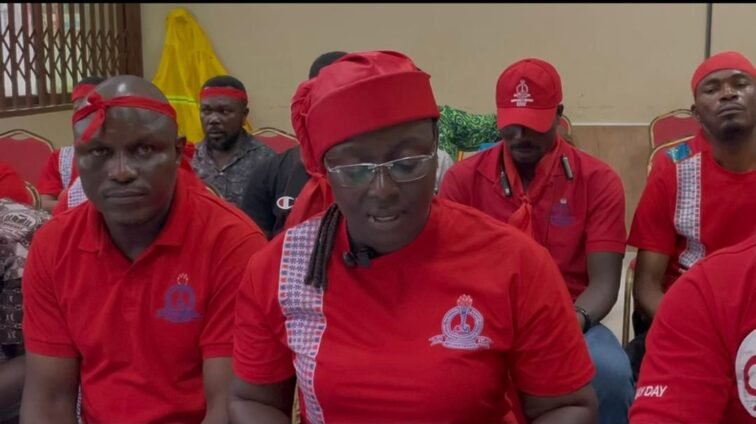
Teachers in the Tarkwa-Nsuaem Municipality of the Western Region have declared industrial action over what they describe as the failure of authorities to respond to demands following the alleged assault of three teachers by military personnel at Adiewoso M/A Basic School.
The action follows a two-week ultimatum earlier issued by the Ghana National Association of Teachers after the April 30 incident in which three teachers and a civilian were allegedly assaulted during a military operation linked to illegal mining activities in the community.
In a fresh update, the teacher unions say they are dissatisfied with the lack of response from the relevant authorities regarding their demands for investigations, justice for the affected teachers, and compensation.
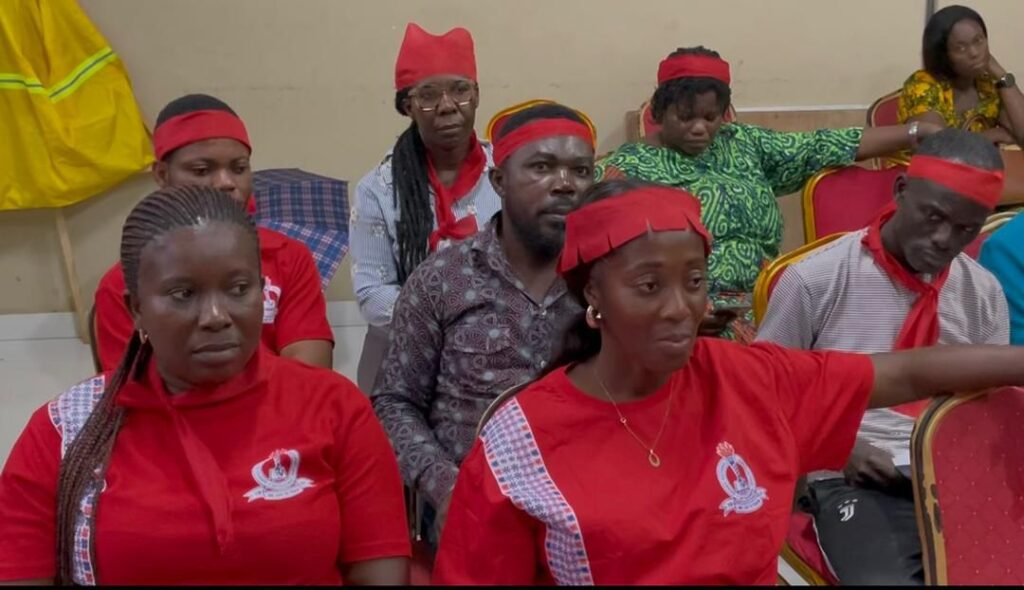
The unions have therefore announced that teachers across the municipality will, from Tuesday, May 26, wear red armbands and begin a sit-down strike in protest against the alleged attack and what they describe as the insensitive handling of the matter by authorities.
According to the unions, a complete withdrawal of teaching and learning services will commence on June 1 if their concerns are not addressed.
The earlier incident occurred at Adiewoso in the Tarkwa-Nsuaem Municipality, where GNAT alleged that military personnel conducting an anti-galamsey operation assaulted residents, including three teachers of Adiewoso M/A Basic School.
GNAT had described the alleged assault as “barbaric and inhumane,” claiming the teachers identified themselves and presented their GNAT identity cards but were still subjected to beatings.
The association subsequently called on the Ministries of Defence and Interior, the Ghana Armed Forces, the Ghana Police Service, and the Ghana Education Service to investigate the matter and ensure those responsible are sanctioned.
Teacher unions insist they will continue with their planned actions until concrete steps are taken to address the matter and guarantee the safety of teachers.